Vinod Khosla, co-founder of Sun Microsystems and legendary VC, makes a provocative claim: society doesn’t need a massive movement to reinvent itself. If just 5% of people are “even remotely innovative,” that’s enough to fundamentally alter human history.
At first, that number feels suspiciously low. But innovation follows the Power Law—it’s exponential, not linear.
The Math of the Minority
- The Catalyst Effect: One engineer creates TCP/IP; millions build businesses on top of it.
- The Permission Slip: When the 5% succeeds, they prove a “new possible.” The other 95% then adopts, scales, and perfects it.
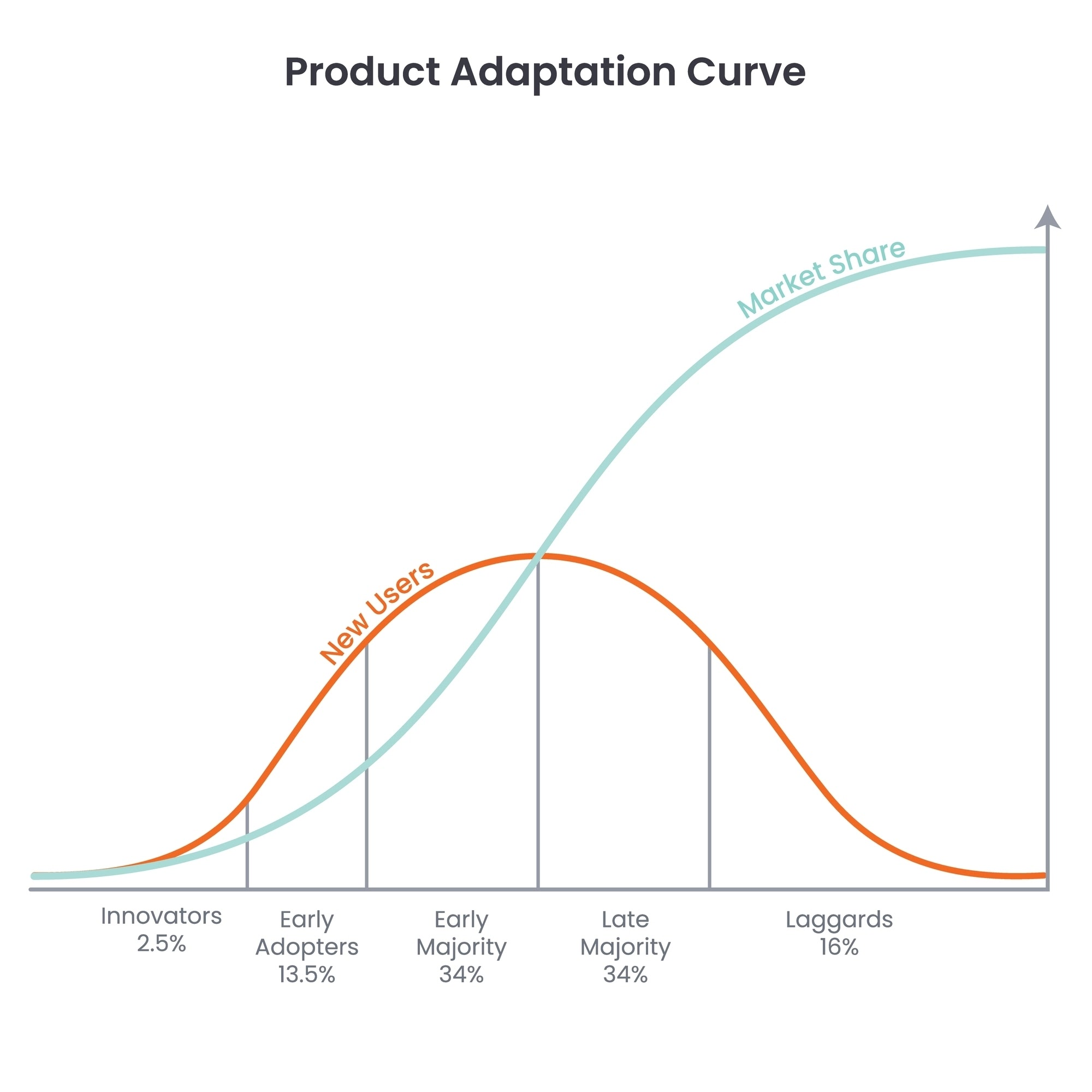
“Remotely Innovative” is Enough
Khosla isn’t talking about 5% Elon Musks or Marie Curies. He means people who refuse to accept “the way it’s always been done.” The 5% acts like a rudder on a ship—small compared to the hull, but it decides whether you hit an iceberg or find a new continent. The 95% keeps systems running. The 5% decides which systems are worth keeping.
The Takeaway
The pressure isn’t on society to turn everyone into a visionary. The pressure is on protecting the 5%. Innovation is fragile—it needs an environment where “crazy” ideas aren’t stifled by bureaucracy or fear of failure.
Society changes not when everyone moves at once, but when a few people start walking in a different direction and the rest of us eventually realize they’re onto something.